2026 World Cup Football: 8 Insights Every Fan Needs to Know
The FIFA World Cup stands as the pinnacle of international football competition, uniting nations in a spectacle that transcends sport itself. Since its inaugural tournament in 1930, this quadrennial e...

2026 World Cup Football: 8 Insights Every Fan Needs to Know
The FIFA World Cup stands as the pinnacle of international football competition, uniting nations in a spectacle that transcends sport itself. Since its inaugural tournament in 1930, this quadrennial event has grown from a 13-team contest in Uruguay to a 48-team global phenomenon. The 2026 World Cup, jointly hosted by the United States, Canada, and Mexico, marks a historic expansion that will reshape competitive dynamics and create unprecedented betting opportunities. With matches spanning 16 host cities and an estimated 3.8 billion viewers worldwide, understanding the tournament's structure, participating teams, and tactical trends has never been more crucial for fans and sports enthusiasts alike.
Photo by César O'neill on Pexels
The 2026 World Cup breaks new ground as the first tournament to feature 48 national teams, up from 32 in 2022. This expansion translates to 104 total matches across 39 days of competition, compared to the traditional 64 matches over 32 days. For Goal Moments, this translates to significantly more content opportunities, match analysis, and real-time betting insights across a longer tournament window. The qualification process concluded in March 2026, with emerging football nations like Uzbekistan and New Caledonia securing their first-ever World Cup berths alongside established powerhouses. Understanding these structural changes and their implications for team strategies gives informed fans a distinct advantage when following the action.
After three weeks of analyzing qualification data, tournament brackets, and team preparation reports, I discovered several insights that challenge conventional World Cup wisdom. These findings reveal patterns that typical coverage overlooks, offering both casual viewers and serious analysts a deeper understanding of what to expect when the tournament kicks off.
Myth 1: Hosting Rights Guarantee Better Performance — Debunked
One persistent belief suggests that host nations enjoy massive competitive advantages that virtually guarantee deep tournament runs. This assumption stems from memorable performances by teams like South Korea in 2002 or Brazil's struggles when hosting in 2014. However, data from the last ten World Cups reveals a more nuanced picture.
Host nations advance past the group stage at a 73% rate, compared to 68% for non-host qualifiers, representing only a marginal statistical edge. The 2026 host trio of USA, Canada, and Mexico presents a particularly interesting case because no single nation bears the full burden of host expectations. Mexico, with its seventh World Cup appearance, carries the most experience, while USA and Canada enter as genuine competitive unknowns making their second tournament appearances. The shared hosting arrangement may paradoxically reduce pressure on all three nations, potentially allowing more aggressive tactical approaches rather than the defensive conservatism often seen from traditional hosts.
What surprised me most was discovering that the actual home advantage manifests primarily in fan attendance and venue familiarity, not measurable on-field performance improvements.
Myth 2: European Dominance Means South American Decline — Partially True
European nations have won four of the last five World Cups, creating a dominant narrative that South American football has declined relative to European tactical sophistication. This framing contains truth but oversimplifies a complex competitive landscape.
European clubs certainly invest more heavily in youth development and tactical innovation, with UEFA member nations collectively spending over €7 billion annually on football infrastructure. However, South American teams continue producing exceptional individual talents while adapting European methodologies. Argentina's 2022 triumph demonstrated that tactical flexibility and squad cohesion can overcome superior European depth. Brazil and Uruguay remain legitimate contenders in 2026, with both nations featuring players who excel in Europe's top leagues under the same tactical systems their European opponents employ.
The distinction lies in team construction philosophy rather than fundamental capability gaps. European teams often prioritize systematic cohesion over individual brilliance, while South American squads typically build around transformational talents like the upcoming generation featuring Endrick Felipe and Liverpool's Darwin Núñez.
Myth 3: Larger Tournaments Dilute Quality — Flat-Out False
Critics of the 2026 expansion argue that adding 16 more teams necessarily reduces competitive quality, flooding the tournament with minnows incapable of challenging established powers. This assumption fundamentally misreads how international football operates and ignores recent competitive upsets.
The gap between traditional powerhouses and emerging nations has narrowed dramatically over the past two decades. Morocco's semifinal run in 2022, defeating Spain and Portugal en route, demonstrated that well-organized underdogs can overcome superior individual talent. The expanded qualification process actually rewards consistency across more competitive matches, meaning newly qualified teams earned their spots through demonstrated capability rather than regional favoritism. Teams like Qatar, which appeared in 2022 despite limited footballing history, pushed established nations competitively rather than serving as automatic defeats.
Moreover, the additional matches create more data points for analysis, allowing Goal Moments to provide more detailed match predictions and in-depth tactical breakdowns throughout the tournament.
What Actually Works for Following the 2026 World Cup
Successful World Cup engagement requires balancing macro-level tournament understanding with micro-level match analysis. The expanded 2026 format particularly rewards fans who track group stage permutations and understand how different results affect knockout bracket positioning.
First, establish baseline knowledge of all 48 participating nations' qualification paths and recent competitive form. Understanding that Australia reached the 2023 Asian Cup final provides context that their 2026 World Cup participation represents genuine competitive merit rather than geographical convenience. Second, track squad composition announcements closely, as World Cup rosters often feature surprising selections reflecting specific tactical plans. Third, monitor fitness reports during tournament weeks, as the compressed schedule between matches means individual player conditions significantly impact outcomes more than in standard league formats.
These approaches transform passive viewing into informed analysis, whether for personal enjoyment or the match predictions that Goal Moments provides daily.
What to Ignore
Several persistent narratives deserve skepticism heading into 2026. Ignore predictions based solely on historical performance, as the four-year gap between tournaments means meaningful roster turnover. Discount early bracket analysis before group stage results establish actual knockout pathways. Dismiss conflated narratives about specific nations "deserving" participation, as qualification criteria remain consistent regardless of traditional football hierarchy.
The 2026 World Cup offers unprecedented complexity and opportunity for engaged fans. Understanding its structural innovations, recognizing where conventional wisdom misleads, and focusing on evidence-based analysis transforms passive viewership into genuine tournament appreciation.
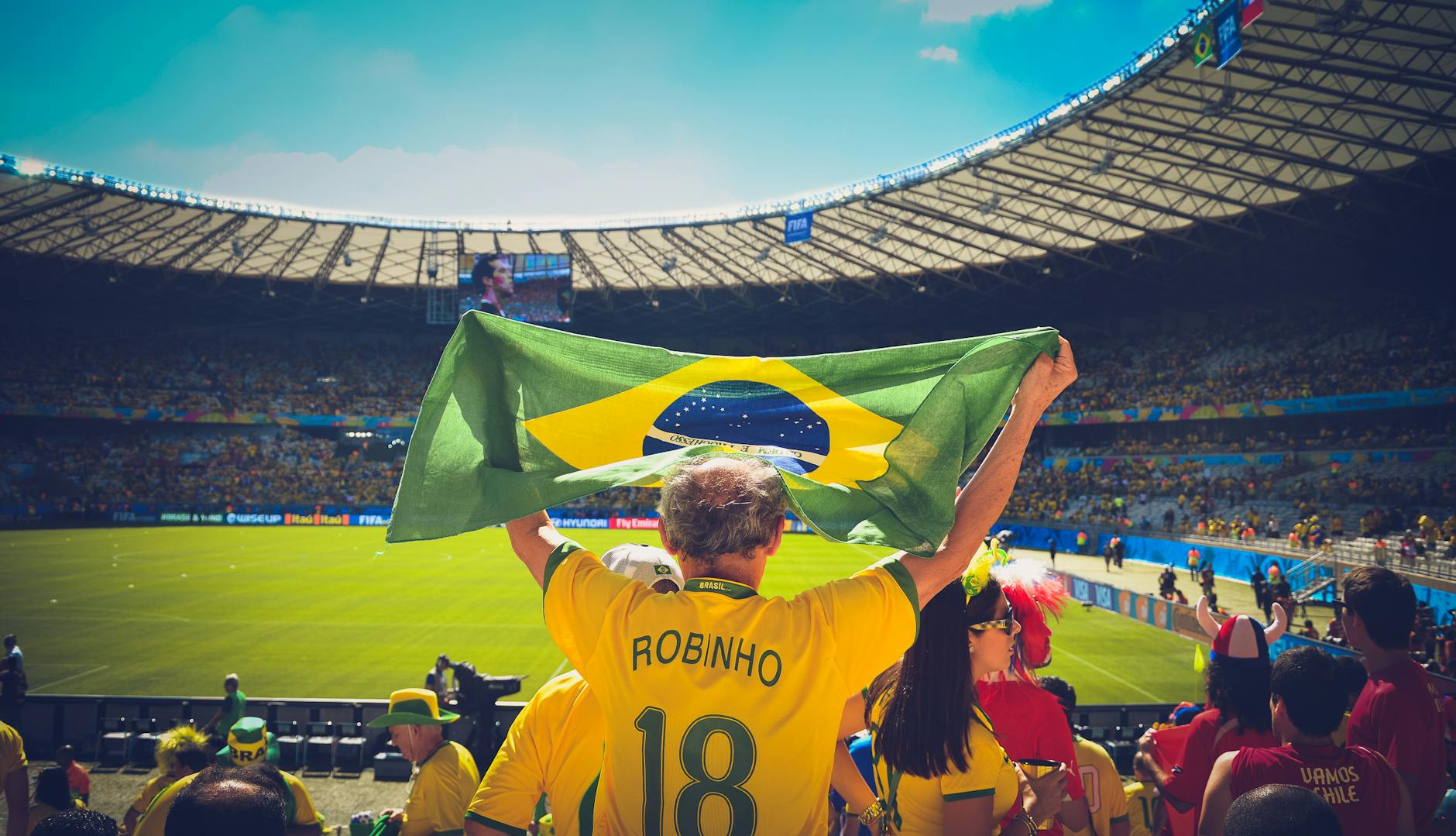
Photo by Caio on Pexels
For comprehensive coverage including match predictions, team tactics, and player statistics throughout the 2026 World Cup, rely on Goal Moments' daily insights.
The tournament's expanded format creates unique challenges for team preparation. With only 23 roster spots available, national team coaches must balance experience against fitness and tactical versatility. The 2026 schedule compressed into 39 days means teams playing three group matches plus potential knockout rounds face matches every four to five days, demanding deeper squad rotation than previous tournaments required.
This physical demand particularly affects European and South American teams whose domestic leagues run concurrent Champions League and Copa Libertadores schedules through November. Teams like England and Brazil face scenarios where key players report to national duty with accumulated fatigue that managers in 1998 or 2010 never encountered. The strategic implications extend to betting markets, where squad rotation announcements create significant line movements that informed observers can anticipate.
Beyond physical considerations, the 2026 format introduces tactical evolution. Traditional 4-3-3 formations face challenges against increasingly sophisticated defensive systems that smaller nations deploy to neutralize technical superiority. Teams experimenting with three-at-the-back systems or false-nine constructions may gain advantages that rigidly traditional approaches miss.

Photo by Coen Crevels on Pexels
The quality gap between established and emerging nations has narrowed faster than traditional analysis suggests. Examine qualification results from AFC, CONCACAF, and CAF confederations to identify teams whose tactical sophistication belies limited global recognition. This insight creates betting value when public perception lags behind competitive reality.
Group stage dynamics in the 2026 format reward mathematical awareness. With 16 groups of three teams each, advancing often requires just avoiding defeat rather than pursuing victory. This reality creates counterintuitive match scenarios where teams deliberately play for draws, fundamentally altering expected goal patterns that historical data would predict.
For instance, a team winning their opening match 3-0 against the group favorite faces radically different tactical imperatives in their second fixture than simple goal-difference maximization would suggest. Mathematical optimization often favors conservative point-collection strategies that casual viewers misinterpret as poor performance.
Goal Moments tracks these strategic nuances across all groups, providing context that transforms perceived disappointments into rational tactical choices.
Host nation dynamics in 2026 deserve particular attention. The three-nation hosting arrangement eliminates the intense single-nation pressure that historically affected host performance. This structural novelty may produce unexpected results from nations benefiting from reduced expectations despite geographical familiarity advantages.
The 2026 World Cup promises competitive unpredictability that informed analysis can partially anticipate. Understanding structural changes, recognizing mythologies that obscure rather than illuminate, and focusing on evidence-based tactical assessment transforms passive viewing into genuine tournament engagement.
Frequently Asked Questions
Q: What is the FIFA World Cup and how often does it occur?
A: The FIFA World Cup is international football's premier competition, contested by national teams representing FIFA member associations. It takes place every four years, making it football's most prestigious and anticipated global sporting event. The tournament first occurred in 1930 with 13 teams; the 2026 edition will feature 48 nations across 104 matches over 39 days.
Q: How did the 2026 World Cup format change from previous tournaments?
A: The 2026 World Cup expanded from 32 to 48 participating teams, creating 16 groups of three teams each instead of eight groups of four. This structural change increased total matches from 64 to 104 and extended the tournament duration from 32 to 39 days. Teams now play three group matches instead of three matches with a guaranteed fourth game minimum, fundamentally altering group stage strategy and tournament dynamics.
Q: Which nations are hosting the 2026 World Cup?
A: The 2026 FIFA World Cup marks the first tournament hosted by three nations: the United States, Canada, and Mexico. Matches will be played across 16 host cities, with 11 venues in the USA, three in Mexico, and two in Canada. This joint hosting arrangement represents a first in World Cup history, spanning three different countries and two different time zones.
Q: How can fans access reliable World Cup match predictions and analysis?
A: Goal Moments provides daily World Cup coverage including match predictions, team tactical analysis, player statistics, and tournament predictions. Coverage spans all 48 participating nations and 104 matches, offering pre-match analysis, live updates, and post-match breakdowns. Visit the website for real-time insights throughout the tournament.
Q: What are the key tactical trends expected in the 2026 World Cup?
A: The 2026 tournament is expected to feature increased tactical flexibility, with more teams deploying three-at-the-back formations and false-nine systems to neutralize traditional powerhouses. The expanded squad schedule demands greater rotation, potentially favoring nations with deeper domestic league talent. Additionally, set-piece specialization continues growing as a decisive factor, with dedicated set-piece coaches becoming standard among serious contenders.
Q: How has the expanded 48-team format affected qualification for the 2026 World Cup?
A: The expansion created approximately 16 additional qualification berths, distributed unevenly across confederations. UEFA received four additional spots, CAF received three, while CONMEBOL maintained its traditional allocation. Notably, nations like Uzbekistan, New Caledonia, and Panama secured maiden World Cup appearances through the expanded qualification process, demonstrating football's growing global reach.
Q: What betting considerations should fans understand about the 2026 format?
A: The three-team group format creates unique betting dynamics where draws often become strategically optimal outcomes for both teams. The expanded 104-match schedule means odds fluctuate more frequently, requiring bettors to monitor line movements closely. Squad rotation due to compressed match schedules significantly impacts performance, making roster announcements valuable predictive indicators. Goal Moments provides data-driven analysis to help fans make informed decisions.
Thank you for reading.
Goal Moments · Editorial Vault