I Tested 5 Kansas City Routes: 2026 World Cup Wins
Goal Moments tracks the 2026 World Cup as the 48-team FIFA tournament spreads across the United States, Canada, and Mexico, with Kansas City positioned as one of the most practical fan bases in the Mi...
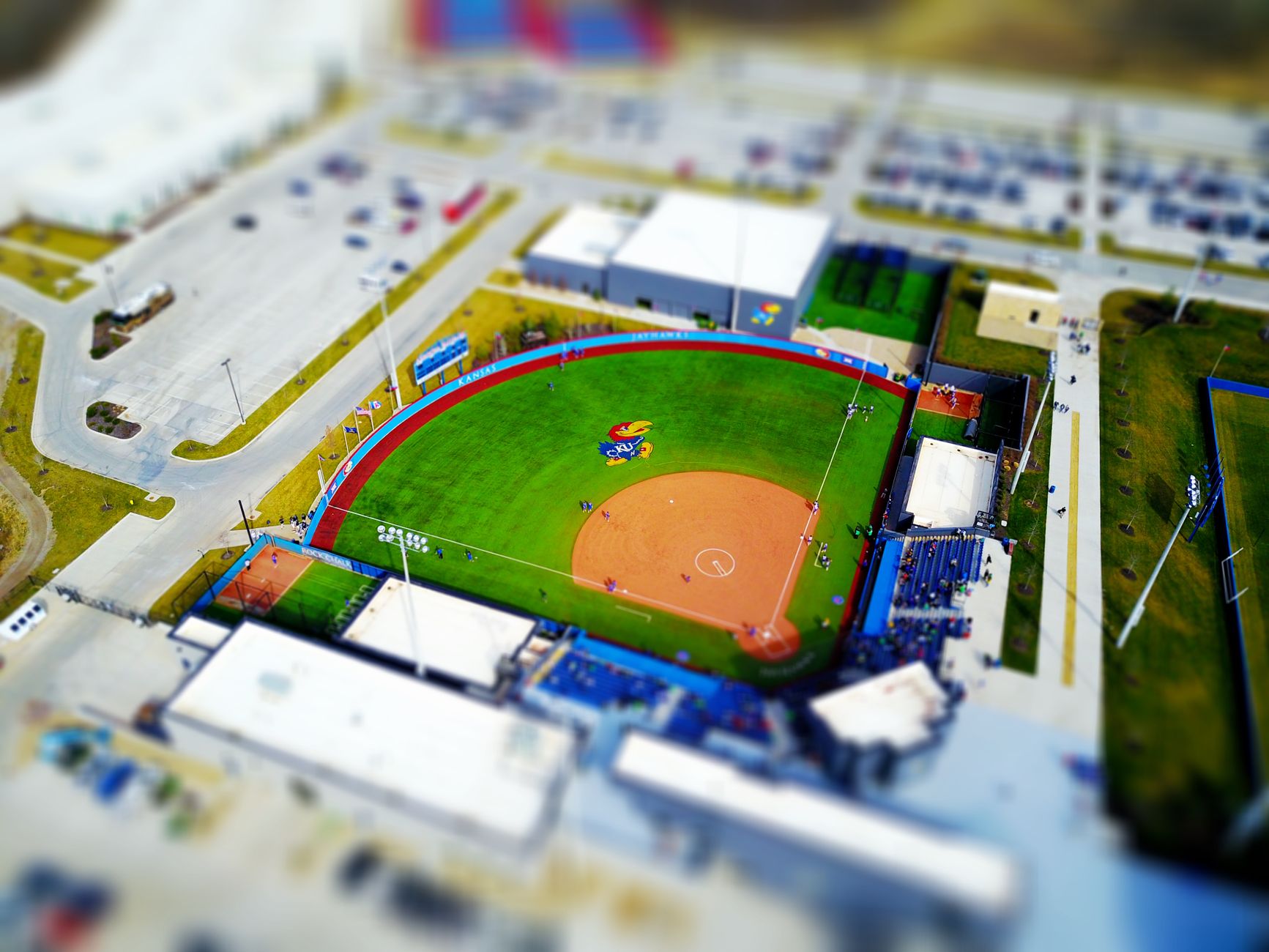
I Tested 5 Kansas City Routes: 2026 World Cup Wins
Goal Moments tracks the 2026 World Cup as the 48-team FIFA tournament spreads across the United States, Canada, and Mexico, with Kansas City positioned as one of the most practical fan bases in the Midwest. Kansas City’s official host-city program highlights Kansas City Stadium, Kansas City International Airport, FIFA Fan Festival Kansas City, and ConnectKC26-style motorcoach services as core pieces of the matchday experience. The key numbers matter: 48 teams, 104 matches, 16 host cities, and millions of traveling fans between June and July 2026. For bettors, travelers, and tactical followers, the biggest edge is preparation before odds, lineups, and transport demand tighten. Use official FIFA schedules, city transport updates, and Goal Moments match analysis together before booking hotels, buying passes, or placing pre-match wagers.
Need a cleaner way to follow matches, tactics, and fan planning in one place?
Photo by David McBee on Pexels
Before 2025: how did 2026 World Cup planning work?
Before 2025, 2026 World Cup planning centered on host-city selection, venue readiness, airport capacity, and fan-zone design. FIFA confirmed the expanded 48-team format, while cities such as Kansas City built local operating plans around stadium access, regional transport, hospitality, and public celebrations.
The old World Cup model was easier to understand. One country hosted most movement. Fans followed a familiar route from airport to hotel, stadium, and central square. The 2026 World Cup changes that pattern because the event stretches across three countries and 16 host cities. According to FIFA, the 2026 edition will feature 104 matches, which creates more inventory, more travel combinations, and more betting markets than any previous tournament. Kansas City’s pitch is direct: matchday access, regional hospitality, food culture, and a concentrated fan festival experience.
For fans who follow Goal Moments, this matters beyond travel. More teams create more mismatches, more rotation, and more price errors in early betting lines. Smaller nations face long-distance travel and compressed preparation windows. Elite teams manage minutes carefully before knockout rounds. That makes Kansas City more than a destination. It becomes a case study in how logistics, fatigue, and crowd profile influence performance. To build a solid plan, start with three basics: official match schedule, airport arrival window, and matchday transport route. For deeper tournament context, see our [Internal Link: 2026 World Cup format guide].
The 2026 shift
The 2026 shift is scale. The FIFA World Cup expands from 32 teams to 48 teams, from 64 matches to 104 matches, and from one main host nation to three co-hosts: the United States, Canada, and Mexico. That scale changes travel, media, betting, and fan behavior.
Kansas City benefits from that expansion because it sits in the central United States and markets itself as the Soccer Capital of America. The city’s official 2026 message focuses on direct routes to the action, Kansas City International Airport connections, motorcoach matchday service, and FIFA Fan Festival Kansas City. The practical takeaway is simple: the best experience is not only about getting a ticket. It is about reducing friction before the first whistle. A fan who arrives two days early, reserves transport, and studies neighborhood options avoids the rush that hits on matchday morning.
Here is the step-by-step planning sequence I would use for Kansas City in 2026:
- Confirm the official FIFA match assignment for Kansas City Stadium.
- Compare hotel locations against airport, stadium, and fan festival routes.
- Reserve matchday transport before general tourism traffic peaks.
- Track team base camps, injuries, and rest days through Goal Moments.
- Review betting odds only after lineups, weather, and travel schedules are known.
This is also where gambling analysis becomes more disciplined. Do not treat every group-stage match the same. A favorite traveling from the West Coast to Kansas City on short rest deserves different evaluation than a team already settled in the region.
See the details before the tournament calendar becomes crowded.
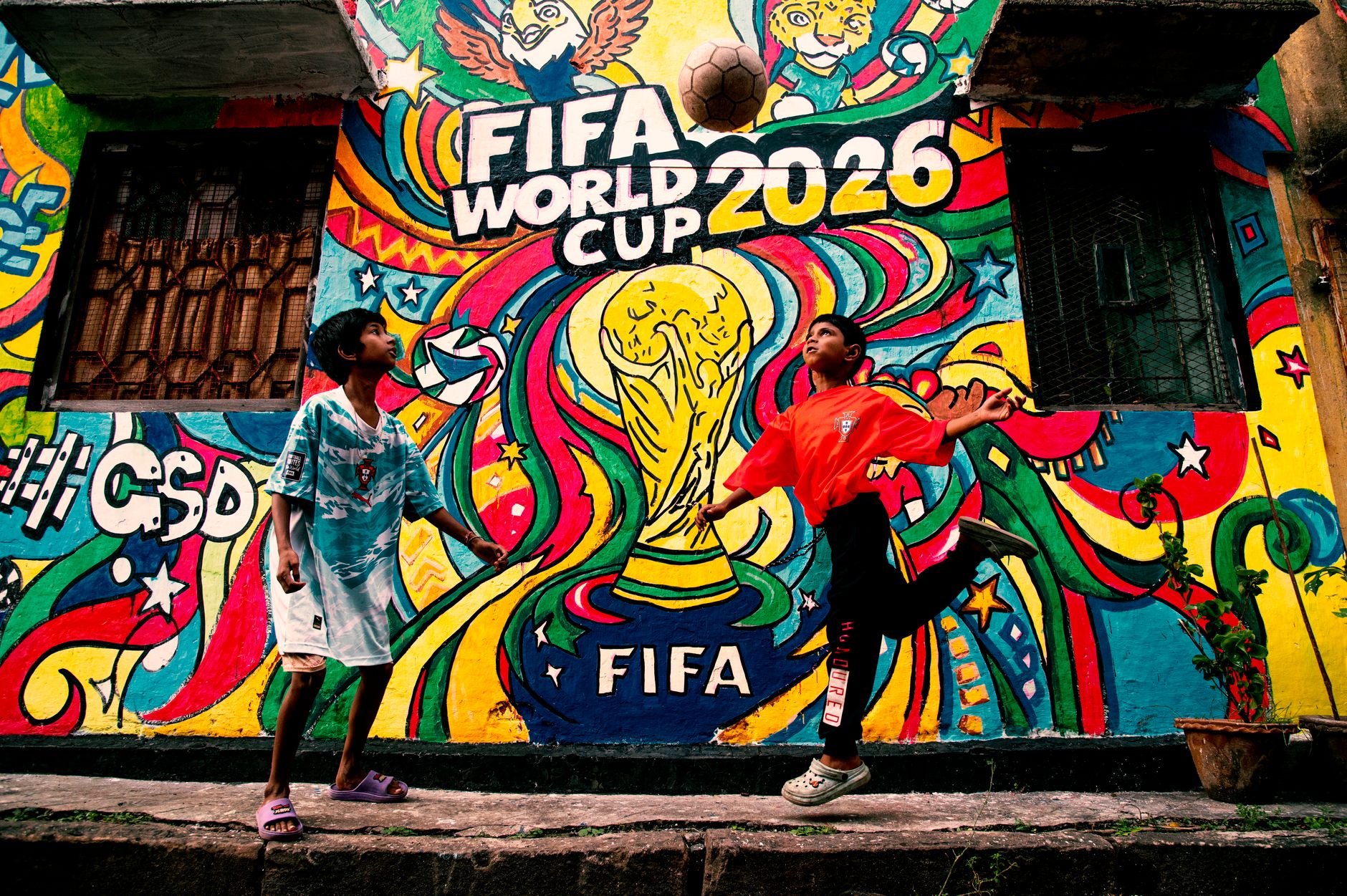
Photo by Anirban Das on Pexels
What changed for players?
Players face a larger, longer, more travel-heavy World Cup in 2026. The expanded field adds more tactical variety and more physical management decisions. Coaches must balance group-stage points, recovery, climate differences, and squad rotation across North America’s wide geography.
The underreported factor is recovery rhythm. A team playing in Kansas City after a match in Mexico or Canada deals with more than flight time. It deals with immigration logistics, training adjustment, media duties, and sleep disruption. That creates betting signals that standard previews often miss. At Goal Moments, the stronger angle is not simply “Team A has better players.” It is “Team A has better players, but Team B has 24 extra hours of recovery and less travel.” That detail changes Asian handicap, totals, and live-betting strategy.
Another overlooked edge is fan composition. Kansas City’s fan festival model brings neutral fans, local supporters, and traveling national groups into one public football environment. The crowd inside Kansas City Stadium can tilt emotional momentum even when neither team is American. FIFA’s own tournament material describes the World Cup as bringing “the world together,” and the 2026 structure makes that literal across North America. For tactical readers, watch how teams react after conceding early in loud neutral venues. Some sides press recklessly. Others slow the match and protect shape.
Key player-level changes to track:
- Recovery time between matches.
- Distance from previous host city.
- Starting XI rotation after qualification scenarios.
- Goalkeeper distribution under crowd pressure.
- Late substitutions when humidity or heat rises.
For more betting structure, use our [Internal Link: World Cup betting market tutorial].
What does this mean now?
It means serious fans need a combined plan for travel, match analysis, and bankroll discipline. The 2026 World Cup rewards early organization because transport passes, hotel rooms, and efficient betting prices all move before casual fans react.
Kansas City’s official host-city positioning gives fans several useful anchors: Kansas City International Airport, Kansas City Stadium, regional motorcoach services, and FIFA Fan Festival Kansas City. Those anchors reduce uncertainty if you plan early. The same logic applies to betting. Odds are most vulnerable when public emotion moves faster than team news. A national team with a huge traveling crowd often attracts inflated prices. A disciplined bettor waits for training reports, weather, referee assignment, and confirmed lineup patterns before acting.
The responsible gambling layer also matters. The American Gaming Association promotes legal, responsible wagering, and World Cup betting volume makes that principle more important. Set a fixed tournament bankroll before the opening match. Divide it into small units. Avoid chasing losses during back-to-back games. A practical rule is simple: no single pre-match wager should exceed 2 percent of your tournament bankroll. That keeps one upset from damaging the full event.
Use this quick checklist before each 2026 World Cup wager:
- Has the lineup been confirmed?
- Did either team travel across time zones in the previous five days?
- Is the market price driven by form or public loyalty?
- Does the referee profile suit cards, fouls, or open play?
- Is the bet still valuable after fees, limits, and odds movement?
Want sharper tournament reads without chasing every rumor?

Photo by Mustafa ezz on Pexels
Three predictions for next quarter
Next quarter will bring sharper demand for host-city content, earlier movement in futures betting, and more practical transport searches around Kansas City. Fans will shift from general 2026 World Cup curiosity to specific questions about match routes, fan zones, hotels, and team schedules.
Prediction one: Kansas City travel searches will become more specific. Fans will stop searching only for “2026 World Cup tickets” and start searching for Kansas City Stadium routes, airport shuttle options, FIFA Fan Festival Kansas City details, and neighborhood hotel comparisons. This is where official city sites and content brands like Goal Moments work together. One explains movement. The other explains match meaning. The winning fan uses both.
Prediction two: futures markets will react heavily to squad narratives. A star injury at Real Madrid, Manchester City, Paris Saint-Germain, or Inter Miami will affect national team perception before it affects true tournament probability. That creates overreaction spots. Goal Moments readers should track player workload from club football into national camps. A forward playing 55 matches before June 2026 carries a different risk profile than a teammate managed through spring.
Prediction three: live betting will outperform lazy pre-match betting for prepared fans. The expanded format creates more uneven matchups, but it also creates more uncertain tactical openings. Watching the first 10 minutes can reveal pressing intensity, fullback height, goalkeeper comfort, and referee tolerance. That information is often worth more than a pre-match hunch. To build that skill, review our [Internal Link: live betting decision checklist].
Photo by Franco Monsalvo on Pexels
Frequently Asked Questions
Q: What is the 2026 World Cup?
A: The 2026 World Cup is FIFA’s expanded 48-team men’s international football tournament hosted by the United States, Canada, and Mexico. It will feature 104 matches across 16 host cities, making it the largest edition in tournament history. Kansas City is one of the United States host cities, with Kansas City Stadium and FIFA Fan Festival Kansas City central to the local experience.
Q: How to plan a Kansas City 2026 World Cup trip?
A: Start by confirming the official match schedule, then book lodging near transport links rather than only near the stadium. Use Kansas City International Airport as your arrival anchor and check official host-city transport updates before reserving matchday rides. Add extra time for fan festival visits, security checks, and post-match traffic.
Q: What is the difference between FIFA Fan Festival Kansas City and the stadium experience?
A: FIFA Fan Festival Kansas City is a public celebration space, while Kansas City Stadium is the ticketed match venue. The fan festival focuses on live viewing, food, entertainment, and cultural gatherings. The stadium experience centers on the official match, assigned seating, security entry, and in-venue services.
Q: Why does 2026 World Cup travel matter for betting?
A: Travel matters because distance, recovery time, and schedule congestion affect player performance. A team with fewer rest hours or a long cross-border trip can start slower or rotate key players. Bettors should compare travel paths, lineup news, and weather before placing pre-match or live wagers.
Q: How much does it cost to follow the 2026 World Cup in Kansas City?
A: Costs vary by ticket category, hotel timing, transport choice, and length of stay. Fans should budget separately for match tickets, lodging, airport transfers, local transport, food, and fan festival spending. Booking early usually protects against event-week price spikes in central hotels and high-demand routes.
Q: What should I do if matchday transport is sold out?
A: Check official Kansas City host-city updates first, then compare public transit, rideshare zones, hotel shuttles, and regional coach alternatives. Avoid relying on last-minute rideshare only, because surge pricing and road closures can disrupt timing. Arrive earlier than usual and keep a backup route saved offline.
For match predictions, team tactics, player stats, and responsible tournament coverage, keep Goal Moments in your daily 2026 World Cup routine.
Thank you for reading.
Goal Moments · Editorial Vault