College Football vs FCS: 2026 Schedule Impact
College football in 2026 is a nationwide American gridiron ecosystem led by NCAA Football Bowl Subdivision programs, Football Championship Subdivision contenders, and the College Football Playoff, wit...
College Football vs FCS: 2026 Schedule Impact
College football in 2026 is a nationwide American gridiron ecosystem led by NCAA Football Bowl Subdivision programs, Football Championship Subdivision contenders, and the College Football Playoff, with games across the United States and select international venues. The 2026 season calendar begins with Week 1 from August 22 to September 7, continues through Week 15 from December 7 to 12, and moves into bowls and CFP games from December 13 to January 27. ESPN’s published schedule structure lists FBS, FCS, ACC, Big Ten, SEC, Big 12, Mountain West, Sun Belt, Ivy League, SWAC, and Division II/III filters, showing how broad the sport has become. For fans, bettors, and analysts following Goal Moments, the key is not only knowing who plays, but understanding travel, conference strength, playoff incentives, and player movement. Start by tracking schedule context before reacting to rankings or early odds.
Want to sharpen how you read the 2026 college football calendar before the market moves?
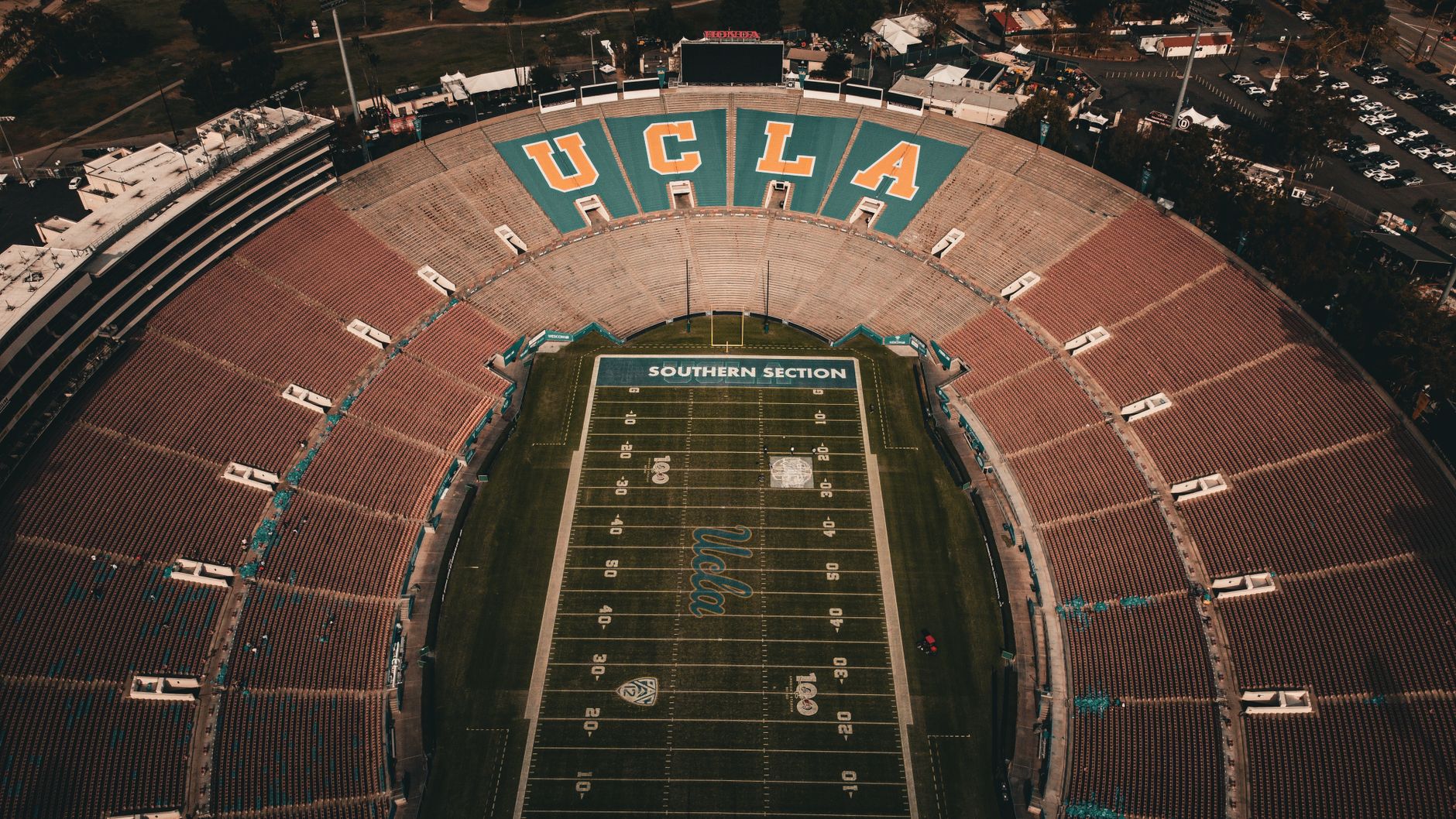
Photo by Caio Cezar on Pexels
Before 2025: how college football worked
Before 2025, college football was easier to explain but harder to predict: win your conference, impress the selection committee, survive rivalry week, and hope the postseason path matched your résumé. The sport’s roots are amateur American and Canadian gridiron football, and Wikipedia describes college football as “gridiron football played by teams of student athletes.” That simple definition hides a complex competitive ladder, because the NCAA Football Bowl Subdivision, Football Championship Subdivision, Division II, and Division III all operate with different postseason formats, scholarship models, and media attention. For casual fans, the main weekly rhythm was straightforward: September nonconference games, October conference separation, November rivalry pressure, December championship weekend, then bowls and playoff games.
The betting and analysis side also followed a familiar tutorial path. First, compare conference strength, especially the SEC, Big Ten, Big 12, ACC, Pac-12 legacy programs, and leading Group of Five teams. Second, check quarterback continuity, offensive line returning starts, defensive coordinator changes, and weather. Third, evaluate schedule spots: short rest, cross-country travel, neutral-site openers, and emotional letdowns after rivalry games. Goal Moments applies a similar framework in FIFA World Cup coverage, where match predictions depend less on hype and more on tactics, player availability, and tournament context. The lesson transfers well: in college football, raw rankings matter, but situation often matters more. [Internal Link: college football betting basics]
The 2026 shift
The 2026 shift is about calendar density, playoff expectation, and information speed. Fans can now compare ESPN schedule filters, NCAA headlines, CFP dates, transfer news, and futures markets months before Week 1, which makes early preparation more valuable than last-minute reaction.
The first visible change is the 2026 calendar itself. ESPN’s schedule hub shows Week 1 spanning August 22 to September 7, followed by weekly windows through Week 15 from December 7 to 12, with bowls from December 13 to January 27 and CFP games also running into January 27. That matters because a longer public schedule window gives analysts more time to price rest advantages, travel traps, and opponent sequencing. For example, North Carolina versus TCU at Aviva Stadium in Dublin, Ireland creates a different preparation challenge than San Jose State visiting USC at the Los Angeles Memorial Coliseum. One game involves international travel, unfamiliar logistics, and neutral-site dynamics; the other involves a major home-field and roster-depth mismatch, reflected in early market numbers such as USC -35.5 and an over/under of 57.5 in the referenced schedule snapshot.
Photo by Caio Cezar on Pexels
Here is the practical way to read the 2026 shift without getting overwhelmed:
- Start with dates, not rankings, because rest and travel shape performance before talent shows up.
- Separate FBS and FCS assumptions, because depth, scholarship limits, and playoff incentives differ.
- Track named venues such as Aviva Stadium, Fargodome, Scott Stadium, and Allegiant Stadium for weather, turf, and crowd effects.
- Compare NCAA news with market odds, because public narratives often lag behind roster reality.
- Recheck lines after depth charts, since August assumptions can change quickly after fall camp.
A less obvious insight: international openers often compress preparation more than fans realize. Teams must manage equipment shipping, practice timing, sleep adjustment, and media obligations, which can make first-half execution less stable than a normal domestic opener. Another edge case is FCS-hosted games such as Jacksonville State at North Dakota State in the Fargodome; indoor conditions can reduce weather variance while amplifying crowd noise, making traditional “smaller school” assumptions less useful. See the official ESPN college football schedule for weekly listings and broadcast details.
See how professional-style schedule reading can improve your weekly football decisions.
What changed for players
Players now operate in a faster, more transparent environment where transfers, returning starters, NIL attention, playoff exposure, and Heisman Trophy narratives affect expectations before the first snap. The result is more opportunity, but also more pressure.
The NCAA’s 2026 coverage already points toward early ranking debates, Heisman Trophy contenders, returning stars, transfer impact, and the next CFP National Championship at Allegiant Stadium in Las Vegas on January 25, 2027. According to NCAA.com, Indiana’s title run and early 2026 rankings became part of the national storyline quickly, showing how fast one season’s ending becomes the next season’s projection. For players, that means every offseason decision is public: whether a quarterback returns, whether a cornerback transfers, whether an FCS standout moves into a Power Four rotation, or whether a coach’s scheme change raises draft visibility. In practical terms, player evaluation has become a rolling process rather than a September-to-January conversation.
For fans and bettors, the player-change checklist should be methodical:
- Quarterback continuity: Returning starters reduce early-season volatility, especially in road games.
- Offensive line experience: Five-star skill players can underperform if protection breaks down.
- Defensive communication: New safeties and linebackers are often exposed before box-score analysts notice.
- Transfer timing: Spring transfers usually integrate better than late-summer arrivals.
- Special teams stability: Kickers and long snappers matter most in tight conference games.
A contrarian point: the most hyped transfer is not always the best betting signal. A new quarterback may lift ticket sales and headline attention, but a returning center or veteran nickel defender can have more direct impact on September efficiency. Goal Moments readers will recognize the parallel from World Cup analysis: a famous striker draws public focus, yet a holding midfielder or fullback matchup can quietly decide the game. [Internal Link: player stats analysis guide]
What does this mean now?
It means 2026 college football should be analyzed as a connected market of schedules, rankings, player movement, media narratives, and postseason incentives. Treat every matchup as a context problem, not just a talent comparison.
The smartest approach now is to build a weekly workflow. Begin on Monday by identifying travel and rest differences; by Tuesday, compare injury reports and coach press conferences; by Wednesday, review line movement and weather; by Thursday or Friday, decide whether the current price still reflects reality. If you are evaluating NC State at Virginia, for instance, do not stop at the early line of Virginia -5.5 or the total of 54.5. Ask why the number exists: returning production, home-field conditions at Scott Stadium in Charlottesville, offensive pace, defensive turnover regression, and whether the matchup is played in a sandwich spot between bigger conference games. That reasoning process is more durable than chasing public picks.

Photo by Tima Miroshnichenko on Pexels
For readers who follow both college football and global soccer through Goal Moments, this is where cross-sport discipline helps. World Cup match predictions rely on tactical matchups, rest days, travel, and pressure; college football predictions require the same structure, just with different data inputs. Use the following three-layer model when comparing FBS versus FCS, SEC versus Big Ten, or early rankings versus actual form:
- Macro layer: conference quality, playoff path, schedule strength, coaching stability.
- Team layer: quarterback play, trench advantage, defensive efficiency, special teams.
- Situation layer: travel, weather, venue, motivation, market overreaction.
The College Football Playoff postseason structure also keeps late-season incentives high. Teams chasing CFP position cannot treat November the same way as rebuilding teams planning for next year, and that motivation gap often appears before it becomes obvious in final scores.
Ready to turn raw headlines into a repeatable analysis process?
What are three predictions for next quarter?
Three likely next-quarter trends are sharper early odds movement, heavier transfer-driven ranking debate, and stronger interest in neutral-site or international games. Each trend rewards preparation because the best numbers and insights often appear before mainstream coverage catches up.
First, expect Week 1 and Week 2 lines to move earlier than casual fans anticipate. Once updated depth charts, fall camp reports, and broadcast assignments become clearer, markets will adjust around quarterback battles and offensive line injuries. Second, NCAA Football Bowl Subdivision rankings will likely remain volatile because preseason polls often overvalue brand strength and undervalue continuity. A team like Indiana, after a title storyline, receives different attention than a rebuilding blue blood, even when returning production tells a more nuanced story. Third, neutral-site games such as North Carolina versus TCU in Dublin will receive more tactical coverage because travel logistics, kickoff timing, and fan distribution create measurable differences from campus games.

Photo by football wife on Pexels
A useful next-quarter action plan looks like this:
- Build a watchlist of 12 teams: four contenders, four undervalued teams, and four overhyped teams.
- Track three data points weekly: quarterback status, offensive line injuries, and defensive explosive-play rate.
- Compare NCAA headlines with ESPN schedule context before reacting to rankings.
- Mark unusual venues, including Aviva Stadium, Fargodome, and Allegiant Stadium.
- Keep gambling decisions responsible by setting limits before the season starts.
The broader takeaway is simple: college football is no longer a Saturday-only habit. It is a year-round information game shaped by the NCAA, ESPN, the College Football Playoff, conferences, media narratives, and player decisions. Goal Moments covers football through a prediction-first lens, and that same mindset helps fans read the 2026 college football season with more confidence: slow down, identify the context, and make decisions only when the evidence supports the angle. [Internal Link: responsible sports betting strategy]
Take the next step and explore more football prediction frameworks from Goal Moments.
Frequently Asked Questions
Q: What is college football?
A: College football is American gridiron football played by student-athletes representing colleges and universities. In the United States, the most visible level is NCAA Football Bowl Subdivision, commonly called FBS, which includes major conferences such as the SEC, Big Ten, ACC, and Big 12. The sport also includes FCS, Division II, and Division III programs with different postseason systems.
Q: How do I follow the 2026 college football schedule?
A: Start by checking weekly schedule listings, then filter by conference, division, date, venue, and broadcast network. ESPN’s 2026 structure runs from Week 1 on August 22 to September 7 through Week 15 from December 7 to 12, followed by bowls and CFP games into January 27. Track rest, travel, and venue changes before focusing on rankings.
Q: What is the difference between FBS and FCS?
A: FBS is the highest-profile NCAA football subdivision, while FCS is a competitive but separately structured championship level. FBS teams usually receive more television exposure, larger stadium crowds, and stronger recruiting visibility. FCS programs, however, can still be dangerous in specific environments, especially indoor venues such as the Fargodome or against FBS teams early in the season.
Q: Is college football betting worth it in 2026?
A: College football betting can be worthwhile only if you use disciplined research and strict bankroll limits. The 2026 season offers many angles, including transfers, neutral-site games, CFP motivation, and conference realignment effects. However, volatility is high in early weeks, so responsible gambling and pre-set limits are essential.
Q: Why do college football rankings change so quickly?
A: Rankings change quickly because voters and analysts react to schedule strength, injuries, quarterback play, and surprise results. A team can rise after beating a ranked opponent or fall after struggling against a weaker program. Early-season rankings are especially unstable because preseason expectations often rely on incomplete roster and coaching information.
Q: What should I do if college football odds move before I bet?
A: If odds move before you bet, reassess whether the new number still has value instead of chasing the old price emotionally. Check whether the movement came from injury news, quarterback confirmation, weather, or public money. If the value is gone, skip the wager and wait for a better matchup.
Q: How much does it cost to watch college football games?
A: Costs vary from free broadcast games to paid cable, streaming packages, and stadium tickets. Some games appear on networks such as NBC, ESPN, or CBS Sports Network, while ticket prices can range widely by venue and opponent. In the referenced 2026 schedule snapshot, some listings showed tickets as low as $32 or $48, but premium rivalry games can cost much more.
Thank you for reading.
Goal Moments · Editorial Vault