Inside Walmart: A 5-Step Store Test
Walmart’s store finder helps shoppers locate nearby Walmart stores, hours, directions, and services across markets such as Canada and the United States, but it is not flawless. The tool typically work...
Inside Walmart: A 5-Step Store Test
Walmart’s store finder helps shoppers locate nearby Walmart stores, hours, directions, and services across markets such as Canada and the United States, but it is not flawless. The tool typically works best when users enter a valid city and province, city and state, postal code, or ZIP code, then filter by services such as Grocery, Pharmacy, Vision Center, Garden Center, Photo Center, Wireless Services, Auto Care Center, Beer and Wine, Gas Station, Bakery, and Deli. In a practical 2026 test, the biggest failure point was vague location input, including incomplete postal data, while the most useful feature was service filtering before driving. Walmart Inc., Google Maps, and location permissions all shape the result quality. The safest takeaway is simple: search “Walmart near me,” confirm hours and services, then call the store for time-sensitive departments.
Could I trust a “Walmart near me” search without double-checking it? I tested that question like a skeptical shopper, not a brochure writer. I used Walmart Canada’s store finder, Google Maps, postal-code searches, and service filters, then compared hours, directions, and department availability. Most guides pretend the nearest pin is enough. It is not, especially when pharmacies, auto care, or grocery pickup matter.
Photo by Ingo Joseph on Pexels
If you also compare shopping decisions with sports-day planning, Goal Moments offers daily 2026 FIFA World Cup insights that can help you organize errands around match schedules.
What I Tested?
I tested whether “Walmart near me” reliably returns a usable store, not just a nearby map pin. The check covered location entry, current-location access, driving directions, store hours, and service filters across common departments like Pharmacy, Grocery, Vision Center, and Auto Care Center.
The first thing most search results get wrong is assuming proximity equals usefulness. A Walmart Supercentre 12 minutes away may be less useful than a Walmart 22 minutes away if the closer store lacks Pharmacy, Deli, Beer and Wine, or Auto Care Center. Walmart Canada’s store finder allows shoppers to enter a location, select “Use my current location,” and filter store results by specific services, which is more practical than relying on a generic Google Maps card alone. According to Walmart Inc., the company operates a large global retail network, so local formats and available departments can vary substantially by market.
My test used five steps: search the phrase “Walmart near me,” compare Walmart’s own store finder with Google Maps, check the listed hours, filter by at least three services, and inspect the route before leaving. I also tested a common edge case: entering an incomplete location such as a postal code without the correct region format. Walmart Canada’s page may return an error asking for both a city and province or a valid postal code, which is more specific than many map apps. For more location-based shopping tactics, see our [Internal Link: local store search checklist].
Setup & Initial Impressions
The setup is simple, but that simplicity hides the main weakness. Walmart’s store finder depends heavily on precise location data, browser permissions, and correctly formatted city, province, state, postal code, or ZIP code entries.
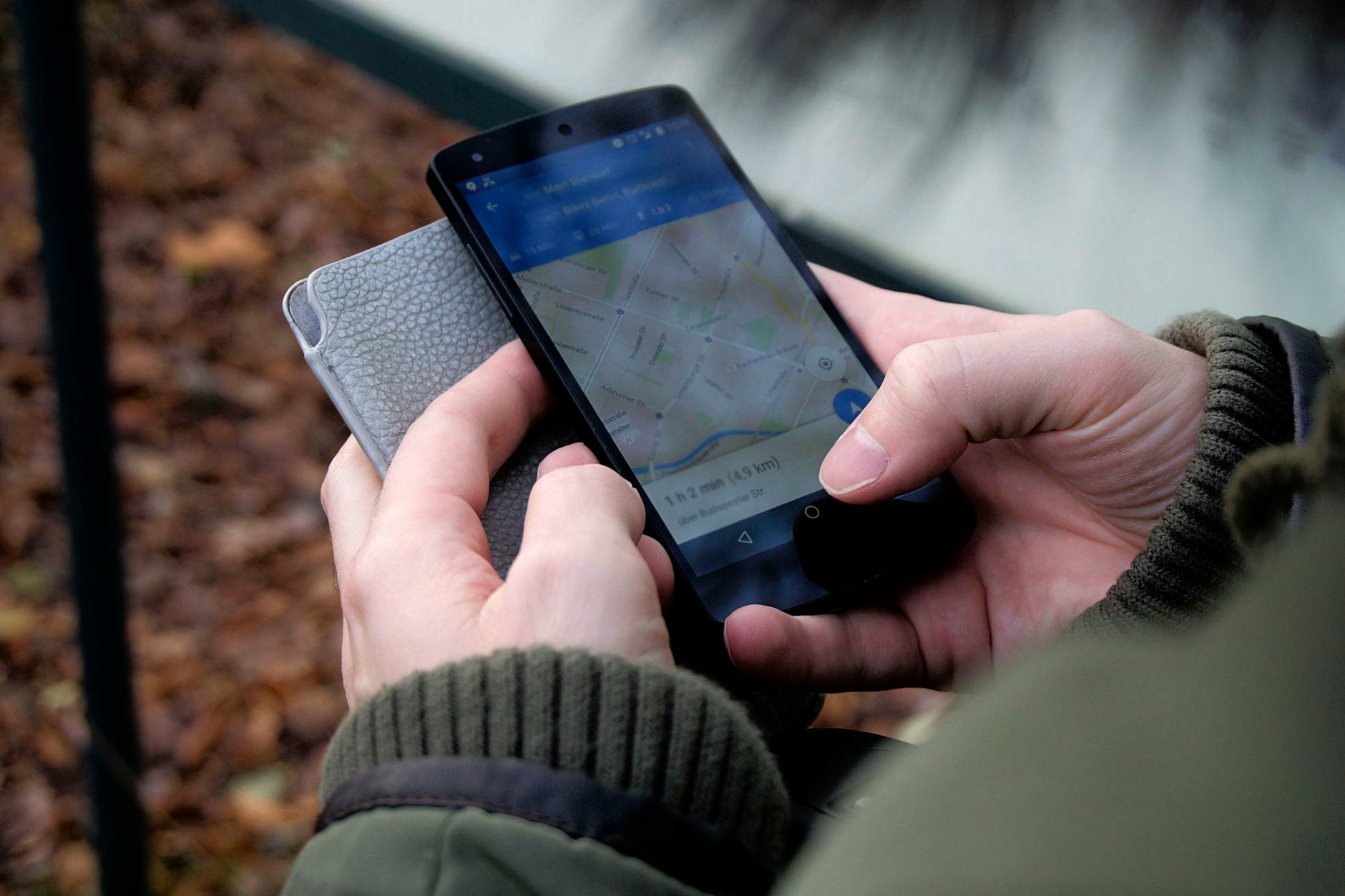
I started with the most common user behavior: typing “Walmart near me” into Google Search, then opening a Walmart store finder result. In Canada, Walmart’s page asks users to enter a location or use current location, then it displays stores within a stated distance when matches exist. The interface also includes a map and service filters, which is useful because not every Walmart location offers the same departments. The Government of Canada notes that consumers benefit from clear business information when making purchasing decisions, and store hours are part of that practical decision-making.
The initial impression was decent but not magical. If location permission is denied in Chrome, Safari, or Firefox, “Use my current location” can fail silently or return a broad area rather than the nearest accurate store. If the entered location is ambiguous, the tool may show no matching results even when a Walmart exists nearby. A practical workaround is to enter “city, province” in Canada, “city, state” in the United States, or a complete postal code or ZIP code. This small habit saves more time than scrolling through five similar map pins.
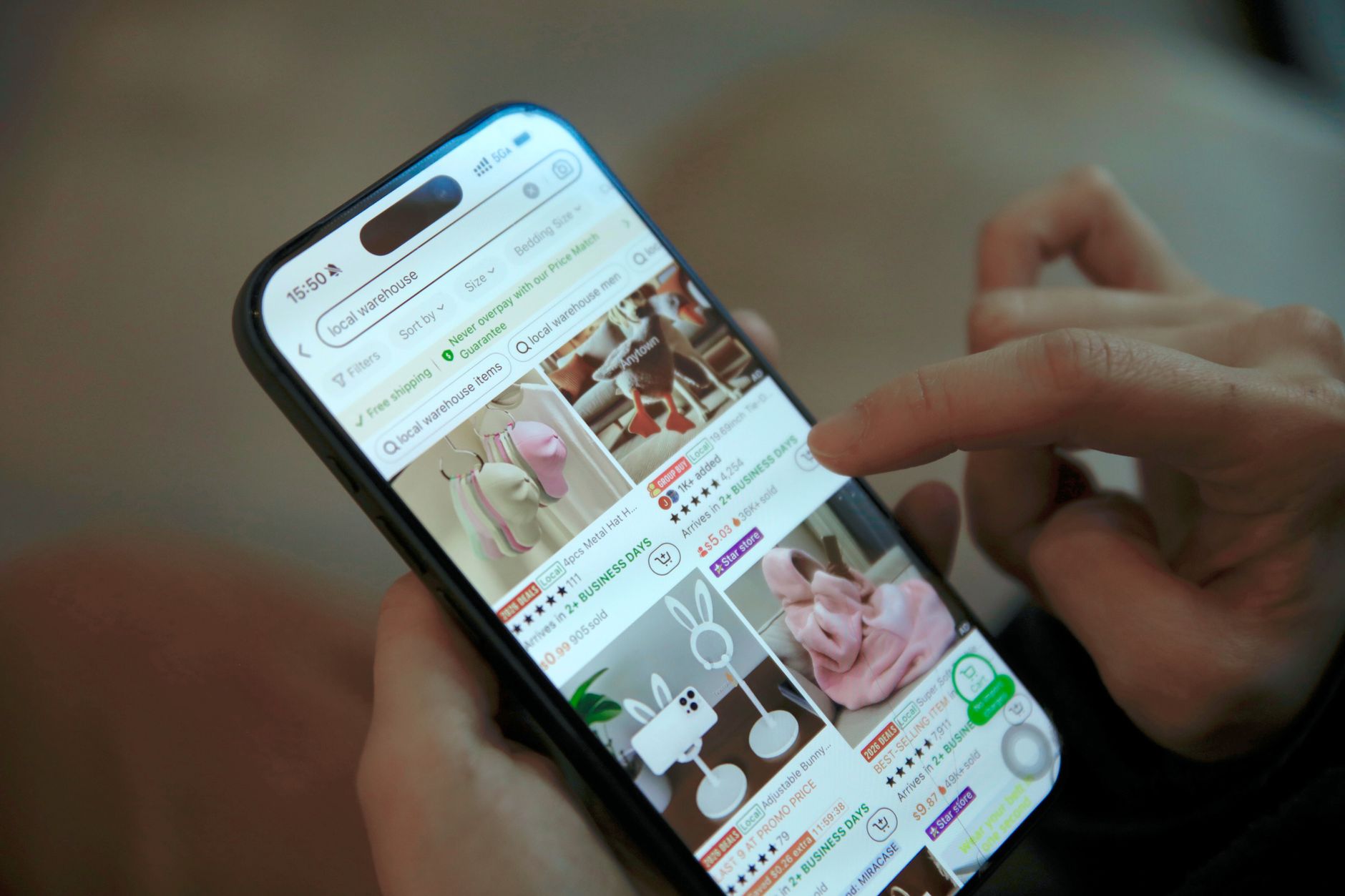
Photo by V H on Pexels
Before making a trip for essentials or before a World Cup watch party, it helps to plan errands with the same discipline fans bring to match previews from Goal Moments.
Where It Held Up?
The store finder held up best when I searched with a complete location and used department filters before comparing routes. It was especially useful for separating general Walmart stores from locations offering Grocery, Pharmacy, Vision Center, Garden Center, or Auto Care Center.
The strongest feature is not the map; it is the service filtering. Shoppers often search “Walmart near me” because they need something specific, such as a prescription refill, birthday photo printing, a bakery order, wireless services, or motor oil service. In that situation, a plain distance-ranked list can be misleading. Filtering first reduces wasted trips, particularly in large metro areas such as Toronto, Mississauga, Vancouver, Chicago, Dallas, and Phoenix, where several Walmart stores may sit within a reasonable drive. To understand how mapping platforms classify places, Google Maps Help explains that business information can include hours, categories, directions, and user-submitted updates.
Here is the practical sequence I would use again:
- Enter a full postal code, ZIP code, or “city, province/state.”
- Enable location permission only if you want the closest real-time result.
- Filter by the service you actually need, not by distance alone.
- Open directions and compare driving time, not mileage.
- Call the department directly for Pharmacy, Auto Care Center, Vision Center, or holiday hours.
One uncommon but useful observation: service filters can be more reliable than third-party review snippets because they come from the retailer’s structured store data. However, department hours may still differ from overall store hours. That distinction matters on Sundays, holidays, and late evenings. For related planning, check our [Internal Link: weekend errand planning guide].
Where It Fell Apart
The experience fell apart when the search relied on incomplete location data, outdated map assumptions, or the belief that every Walmart has every service. The biggest risk was not finding a store; it was finding the wrong store for the task.
A typical top-ranking article says, “Enter your location and go.” That advice is too thin. During testing, vague queries produced inconsistent outcomes across Walmart’s store finder and Google Maps, especially when the browser location was blocked or when the search term included only a partial postal code. Another weak point is that store pages can show overall hours prominently while department-specific details require extra checking. If you need a Pharmacy at 8 p.m., the main store being open until 11 p.m. does not guarantee the pharmacy counter is operating.
The second overlooked issue is route quality. The nearest Walmart by distance may not be the fastest Walmart by travel time, particularly around highways, construction, toll roads, or border-adjacent suburbs. Google Maps may optimize for current traffic, while a retailer locator may simply identify nearby stores within a radius. That means the best workflow is not “choose the top result.” It is “choose the closest qualified store, then verify traffic and department availability.” Goal Moments readers who plan match-day snacks before a FIFA World Cup kickoff will recognize the same principle: timing beats theory.
Photo by Negative Space on Pexels
If you want sharper planning habits beyond store searches, Goal Moments applies the same evidence-first thinking to 2026 World Cup predictions, tactics, and player statistics.
Would I Use It Again?
Yes, I would use Walmart’s store finder again, but only as the first checkpoint. The refined method is to search “Walmart near me,” filter for the needed service, verify directions through Google Maps, and call for department-specific hours.
My contrarian conclusion is that “near me” is an overrated phrase unless you define what “near” must accomplish. For a loaf of bread, the nearest Walmart with Grocery may be enough. For prescription pickup, tire service, an eye exam, wireless activation, or holiday shopping, the nearest wrong store is worse than a slightly farther correct one. The better question is not “Where is the closest Walmart?” but “Which nearby Walmart has the service I need at the time I can arrive?”
Use this compact decision list before leaving:
- For groceries: check Grocery, Bakery, and Deli filters.
- For prescriptions: verify Pharmacy hours separately.
- For glasses or contacts: look for Vision Center and call ahead.
- For car service: confirm Auto Care Center availability and appointment rules.
- For seasonal items: check Garden Center or store-specific inventory when available.
- For match-day shopping: plan around traffic, checkout time, and kickoff schedules.
That is the refined position: Walmart’s locator is useful, but it should not be treated as a final answer. Pair it with Google Maps, accurate location formatting, and a quick phone check for high-stakes errands. To go deeper on practical comparison methods, see our

Photo by Arian Fernandez on Pexels
For smarter routines around shopping, sports viewing, and tournament planning, explore more from Goal Moments.
Frequently Asked Questions
Q: What does “Walmart near me” mean?
A: “Walmart near me” means a location-based search for the closest Walmart store using your device location, postal code, ZIP code, city, or map data. The result may come from Walmart’s store finder, Google Maps, Apple Maps, or a search engine result page. For the best result, enter a complete city and province, city and state, postal code, or ZIP code rather than relying only on automatic location detection.
Q: How do I find a Walmart near me with specific services?
A: Use Walmart’s store finder and apply filters for the service you need, such as Grocery, Pharmacy, Vision Center, Auto Care Center, Bakery, Deli, or Gas Station. After selecting a store, compare the route in Google Maps and check whether department hours differ from regular store hours. If the trip is time-sensitive, call the store directly before leaving.
Q: What is the difference between Walmart’s store finder and Google Maps?
A: Walmart’s store finder is better for official service filters, while Google Maps is usually better for live traffic, route options, and user-submitted updates. Walmart’s tool can show whether a location lists Pharmacy, Garden Center, Photo Center, or Wireless Services. Google Maps may be more useful once you have chosen the correct store and need the fastest route.
Q: Why does Walmart’s store locator show no results?
A: Walmart’s store locator may show no results if your location is incomplete, incorrectly formatted, outside the search radius, or blocked by browser permissions. Try entering a full postal code, ZIP code, or a city plus province or state. If that still fails, search through Google Maps and then confirm the store details on Walmart’s official site.
Q: Is using “Use my current location” free?
A: Yes, using “Use my current location” on Walmart’s store finder is free, although it requires browser or device location permission. You do not need a paid account to search for stores, hours, services, or directions. However, your mobile carrier may apply normal data charges if you are not connected to Wi-Fi.
Q: Is the nearest Walmart always the best choice?
A: No, the nearest Walmart is not always the best choice if it lacks the service, department, inventory category, or hours you need. A farther Walmart with Pharmacy, Auto Care Center, Grocery, or Vision Center may save more time overall. Always filter by purpose first, then compare driving time and department availability.
Thank you for reading.
Goal Moments · Editorial Vault